Matched belt dimensions
Matched belt dimensions
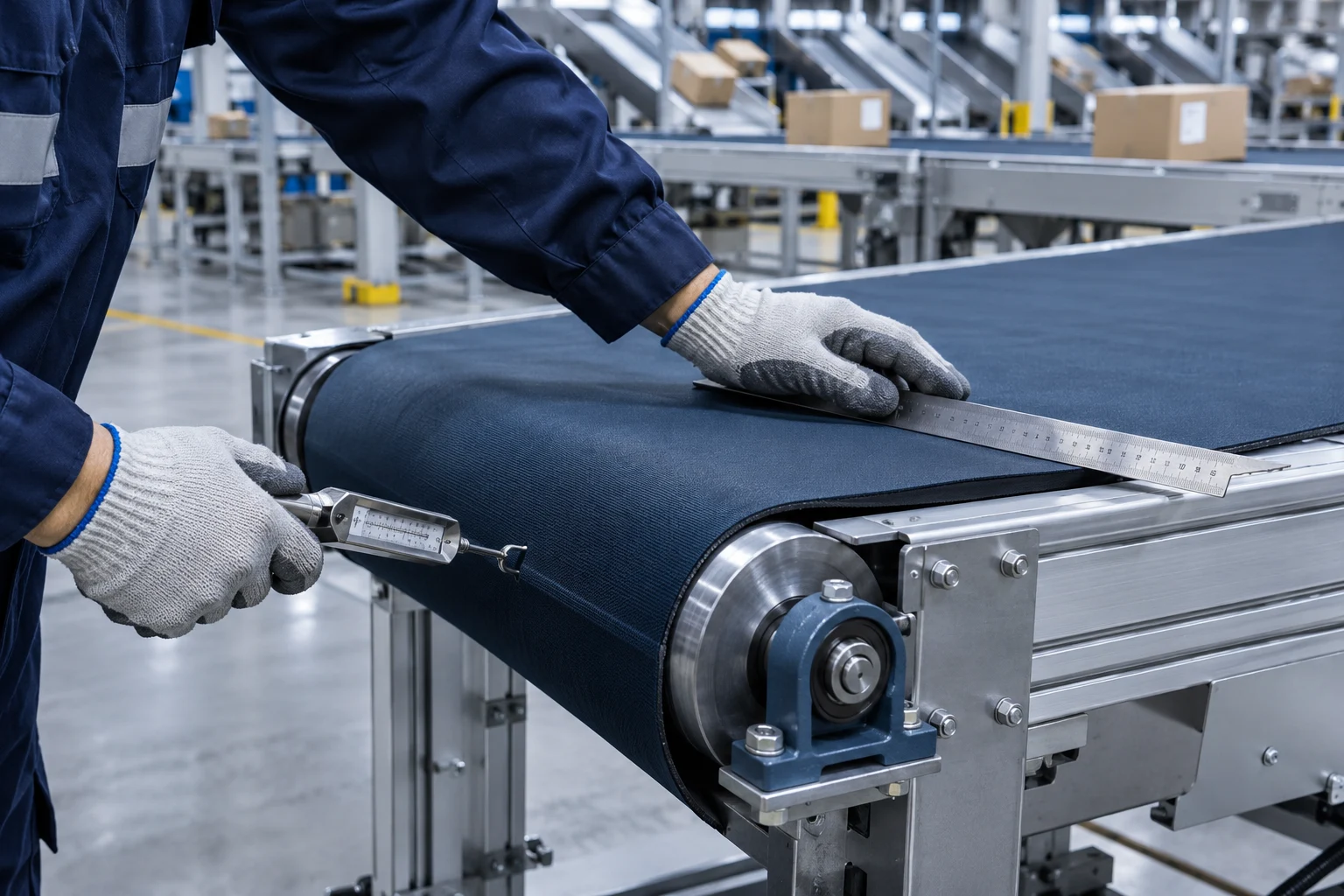
Accurate dimensions help establish the correct tension. For parallel strip belts, matched lengths support consistent load sharing across the merge.
Bring parcels and baggage onto the main conveyor with confidence. Feltnova merge belt solutions support controlled infeed and outfeed transfers in distribution centers, warehouse systems and airport baggage handling.
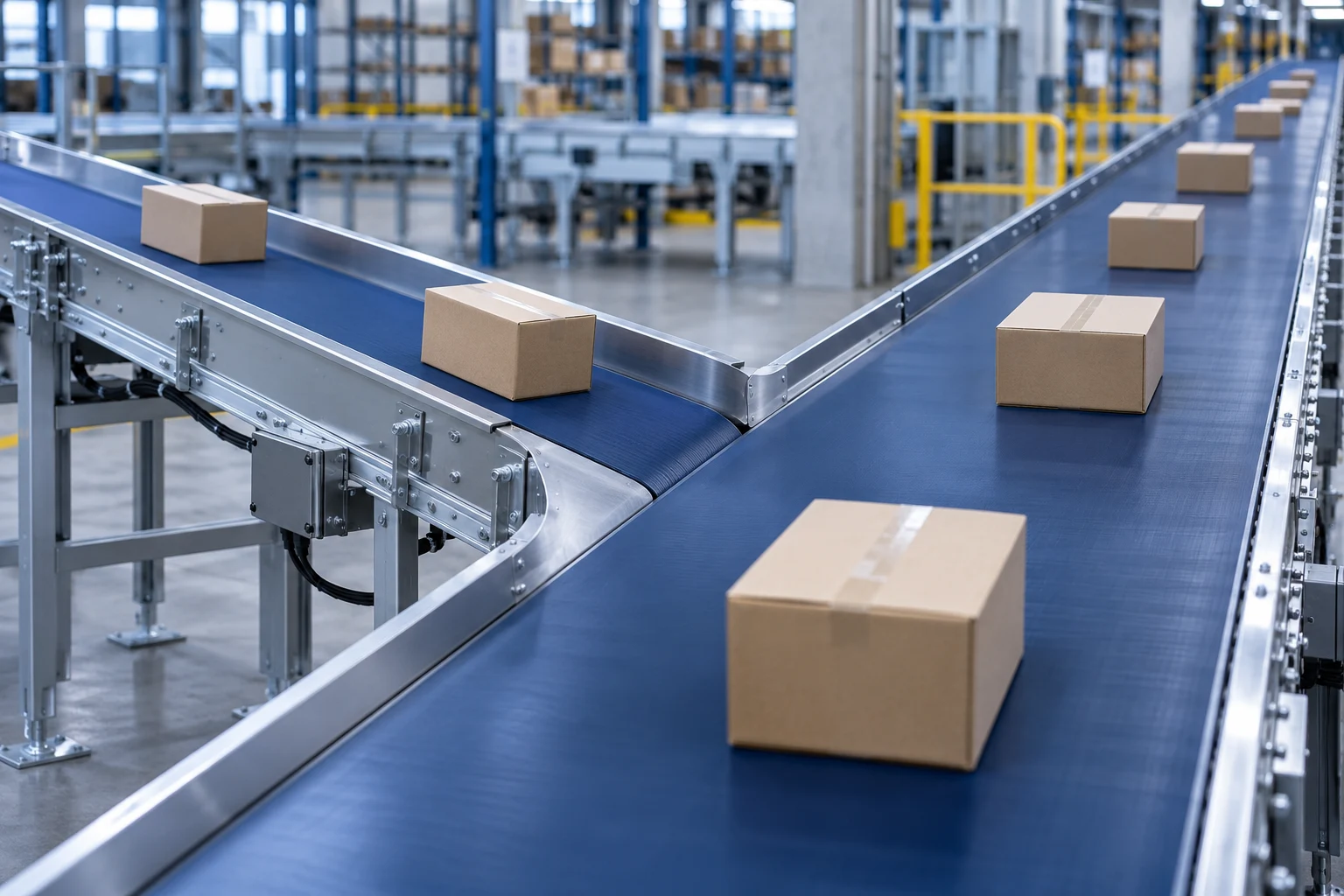
Every merge connects two moving streams. Feltnova helps you match belt grip, flexibility and dimensions to the way your parcels enter the sorting line.
From repeated starts and stops to changes in parcel size and weight, the belt must work with the complete conveyor. Selection takes account of merge angle, operating speed, transfer geometry and the loads your system handles.
A smoother transfer starts with the right belt.
Surface grip, belt tracking and synchronized conveyor speeds all influence how a parcel enters the main line. Feltnova brings these factors together when discussing your application.
Accurate dimensions help establish the correct tension. For parallel strip belts, matched lengths support consistent load sharing across the merge.
Choose a belt construction that suits the merge angle and available pulley diameters. Common layouts include 30° and 45° infeed conveyors.
The carrying surface should suit the parcel base and acceleration profile. Balanced grip helps guide items onto the next conveyor without unnecessary sliding.
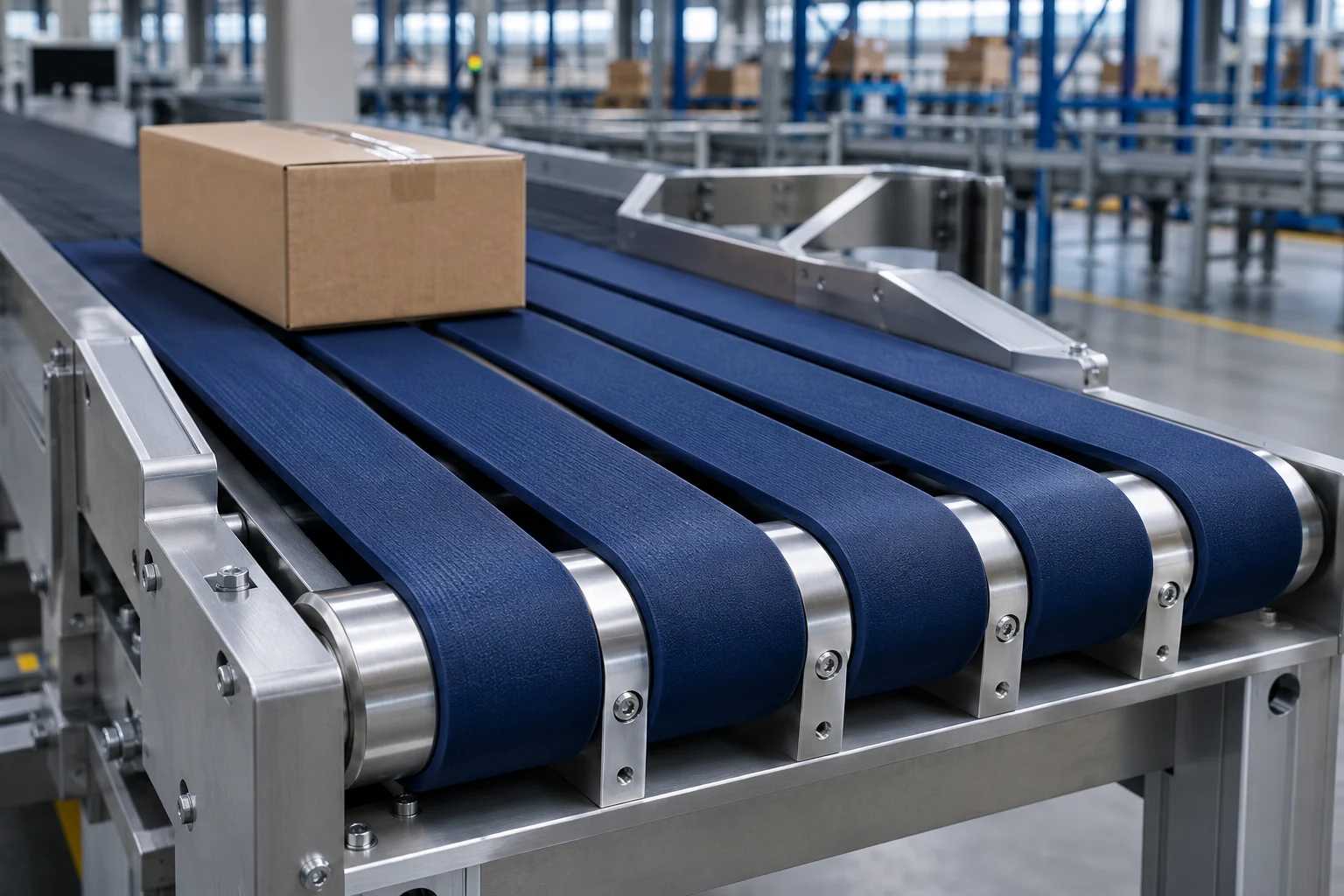
Full belt merges use a single wide belt to support parcels across the conveying surface. Strip merges use several narrow belts running in parallel, allowing the transfer arrangement to follow the conveyor geometry. Feltnova helps you assess both approaches for parcel sorters, warehouse routing and baggage systems. Share your merge angle, belt dimensions, speed, load range and transfer details so the proposed construction can be checked against the actual operating conditions.
Controlled acceleration
Match surface friction to parcel packaging and speed changes. This helps the item follow the intended path as it enters the sorter.
Consistent belt tracking
Belt dimensions, conveyor alignment and correctly set tension work together. Check the complete installation rather than treating the belt as an isolated component.
Suitable transfer geometry
Small end rollers and compact transfers place additional demands on belt flexibility. Confirm the minimum pulley diameter and operating limits for the selected belt.
Matched strip sets
Where several belts share one tensioning arrangement, coordinated lengths and construction help maintain an even working surface.
Consider both belt surfaces
The top face needs appropriate grip while the running side must suit the conveyor bed. A compatible combination helps manage friction, heat and wear.
Select the splice for the application
The joint must accommodate repeated flexing and the transfer geometry. Discuss the joining method alongside load, speed and installation access.
Plan routine inspections
Monitor tracking, tension, belt edges and splice condition. Keeping the conveyor clean and correcting misalignment early can help avoid unnecessary belt damage.
Prepare for replacement
Record the installed belt specification and critical dimensions so maintenance teams can identify the right replacement when it is needed.
Application-led selection
Start with your conveyor layout, parcel mix and duty cycle. These details guide the choice of belt surface, construction and dimensions.
Support for full belt and strip merges
Discuss the configuration that fits your transfer arrangement, including the requirements of parallel belt sets.
A practical view of operating costs
Consider belt life, maintenance access and replacement planning together with purchase cost. The best fit is the one that suits the way your system runs.
Give our team the information needed to understand your installation: conveyor drawings or photographs, belt length and width, pulley diameters, operating speed and the items being handled. We can then discuss belt selection, replacement requirements and the service options available for your location.
For an existing installation, include any observed tracking, wear or transfer issues to make the discussion more useful.
Correct belt selection and regular maintenance can help extend useful service life and reduce avoidable replacements. Keeping tension, alignment and running surfaces in good condition also helps control unnecessary friction.
Assess energy use and belt life under your own operating conditions when comparing solutions.