Baggage handling
Baggage handling
Baggage handling
Explore belting requirements from check-in and screening to sorting and reclaim.


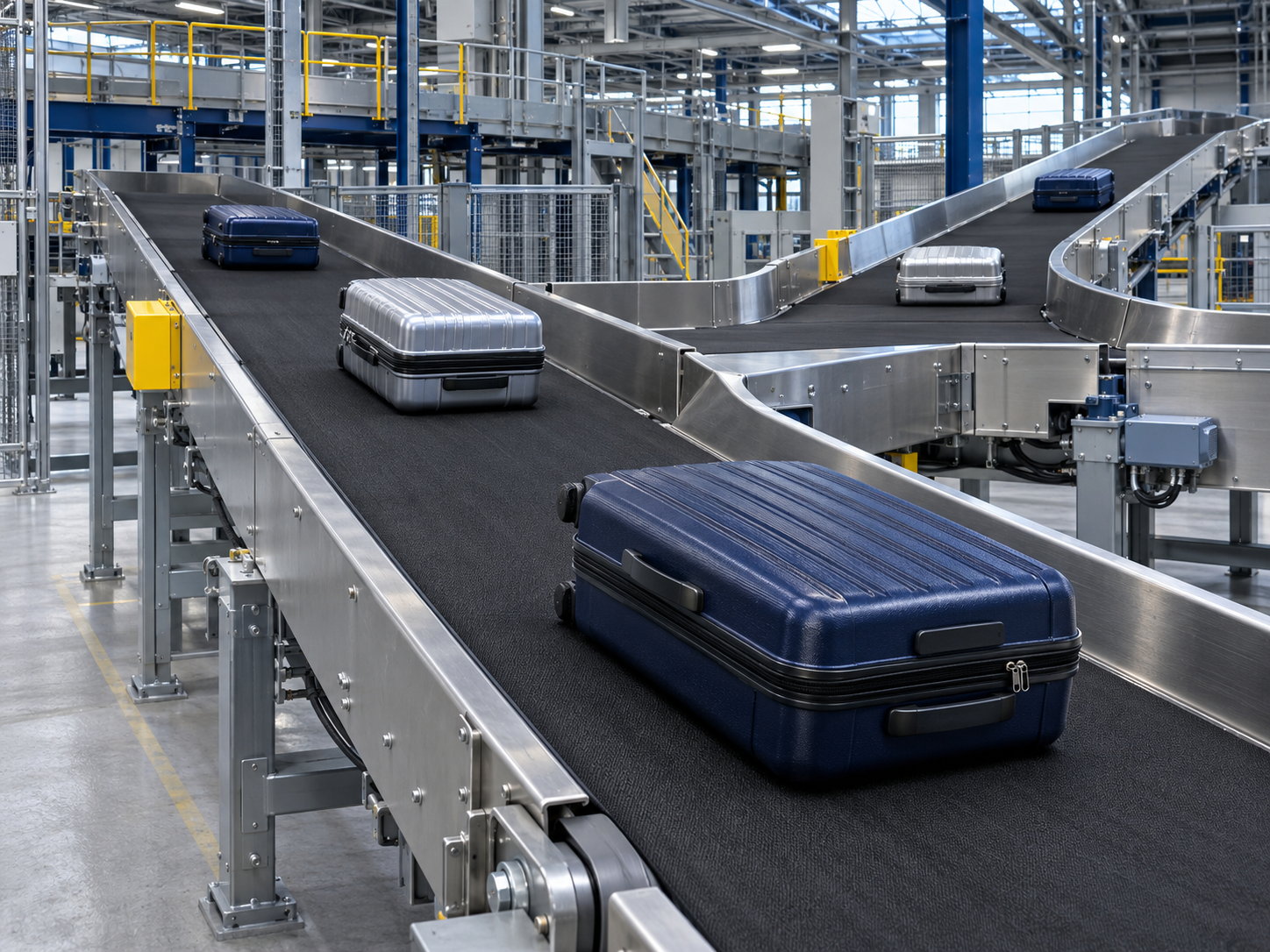
A check-in conveyor needs controlled grip. A sorting line needs predictable tracking. A transfer point needs a belt that works with the pulley diameter and conveyor layout. Feltnova helps you bring these requirements together.
Tell us about your baggage mix, throughput and site conditions. We can help you define the belt construction and surface for your application.
Keep the whole conveyor in view when choosing a replacement belt. Belt thickness, tension, splice design and running surface all influence how the installation performs.
Feltnova supports practical belt selection for operators, maintenance teams and system integrators. Planning replacement work around access and service windows can help reduce disruption.

On slider-bed conveyors, belt-to-bed friction contributes to the power required to move baggage. A suitable low-friction running side can help reduce resistance while maintaining the grip needed on the carrying surface.
Actual energy use depends on load, conveyor length, speed, alignment and drive efficiency. Compare performance under representative operating conditions before setting savings targets.
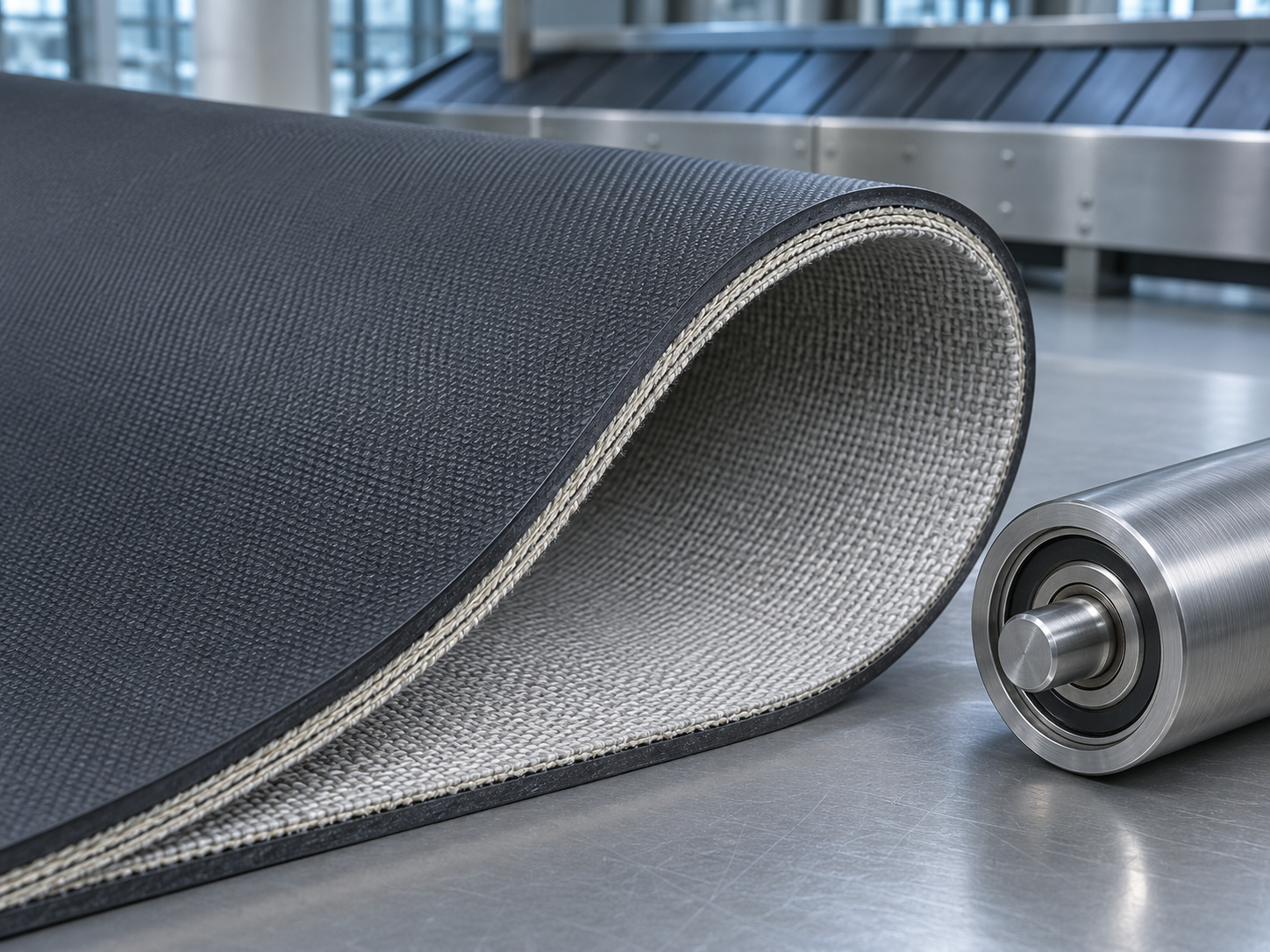
The belt, drive, pulleys and support bed need to work together. Feltnova works with your project requirements to help identify suitable belting for straight runs, curves, inclines and transfer sections.
Provide the available technical drawings and operating data so that critical dimensions and material requirements can be reviewed before installation.
Start with a clear picture of the existing system: belt dimensions, pulley diameters, support surfaces, speed, load and operating hours. Record tracking issues, wear patterns and maintenance needs.
Use this information to compare belt options and agree on acceptance criteria. A trial on a representative conveyor can help validate handling and energy performance.
Responsible belt selection considers durability, operating resistance and replacement frequency alongside material composition. The best choice must still meet the mechanical and safety needs of the application.
If recycled-content materials are part of your procurement requirements, ask Feltnova about available options and request the relevant product documentation.
Accessible inspection points and a planned replacement procedure help maintenance teams work efficiently. Check belt alignment, tension, splice condition and cleanliness as part of the conveyor service routine.
For an upgrade, review the cause of recurring belt damage before replacing the belt. A suitable specification and correct installation work together to support reliable service.
Feltnova fabric conveyor belts can be specified for the handling needs of check-in lines, straight conveyors and baggage transfer sections. Select the carrying surface and belt construction to match grip, flexibility and load requirements.
Curved and merge conveyors need particular attention to geometry, tracking and transfer behaviour. Share your layout so that the belt can be assessed against the actual conveyor design.
A belt should move baggage consistently without creating unnecessary drag. Review the carrying surface, underside friction, belt tension and conveyor alignment as a complete system.
Confirm the required flame-retardant and antistatic properties against the selected product data. Evaluate total operating cost using your own load profile and maintenance conditions.
Feltnova plastic modular belting offers an alternative where the conveyor design calls for interlocking modules. Material, surface pattern, pitch and support arrangement should be selected for the intended baggage or tray-handling task.
Review transfer gaps, load support and maintenance access before choosing a modular solution. Our team can help you assess the application requirements.
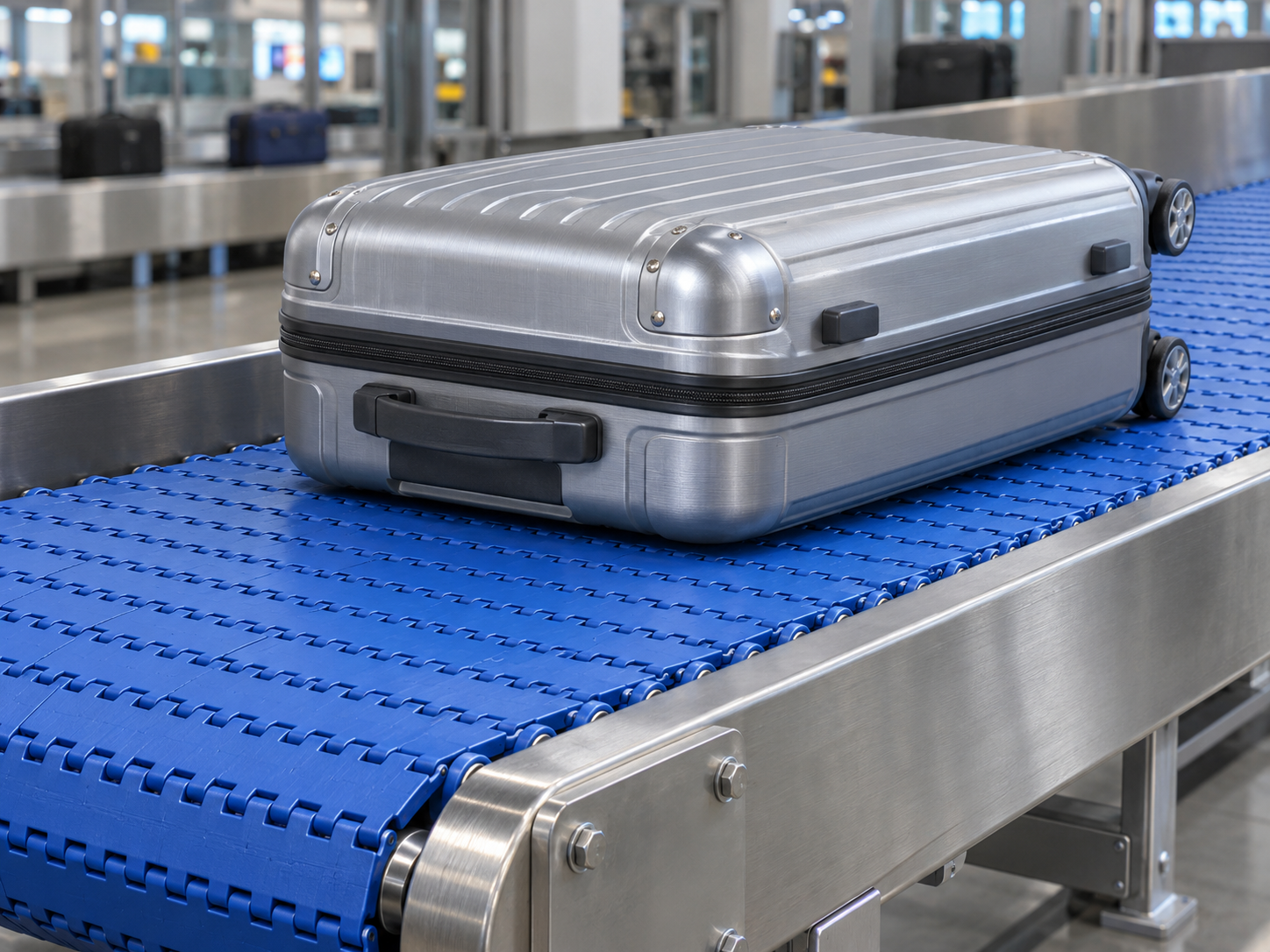
Send Feltnova your conveyor dimensions, baggage or tray details, operating speed and site requirements. For replacement belts, include the existing belt specification and any issues you want to resolve.
We will help you review the application and identify the information needed for a suitable belt recommendation.