Chocolate processing
EXPLORE THE PROCESS
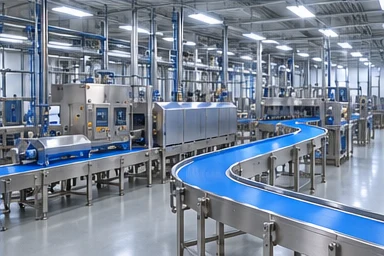
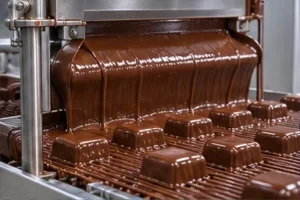
Explore conveying requirements across chocolate forming, cooling and transfer operations.

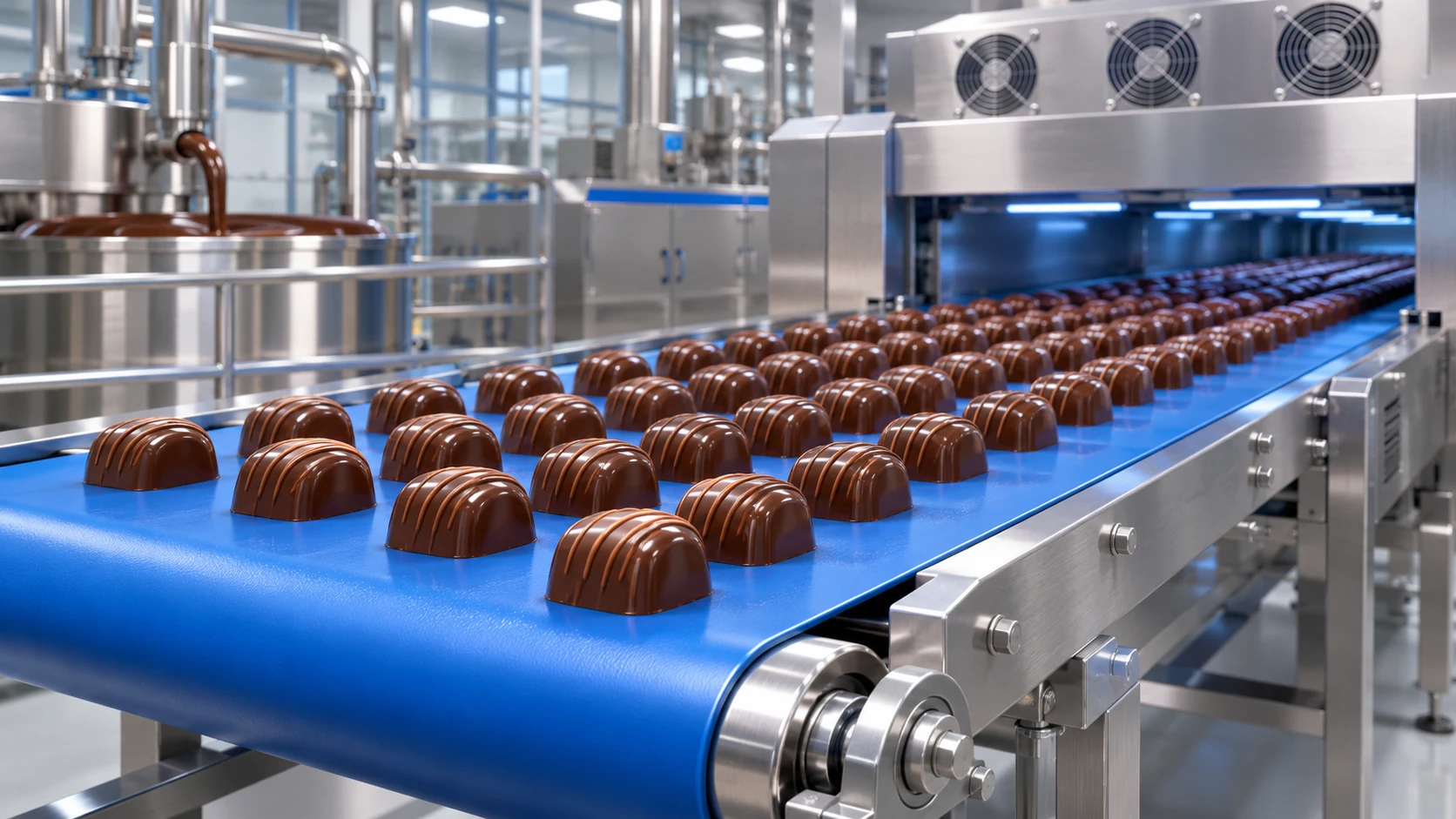
Tell Feltnova what you make and how the line runs. Useful details include product size and temperature, belt width and length, roller diameters, drive arrangement and the cleaning schedule. Photos of the transfer points can also help identify the requirements.
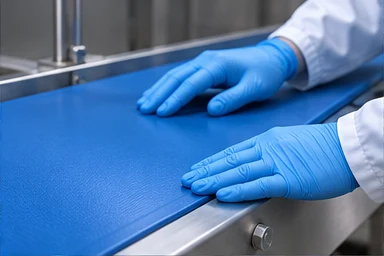
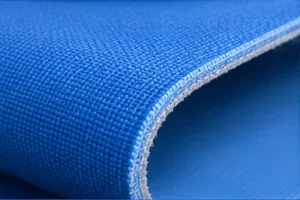
A reinforced belt construction can support tasks from depositing to packaging. Select the top coating and surface finish to suit the product, and check flexibility against the smallest roller and transfer point. Belt tracking, splice design and tension should be reviewed as part of the installation.
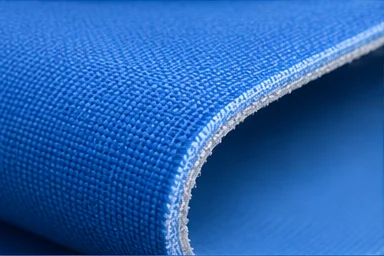
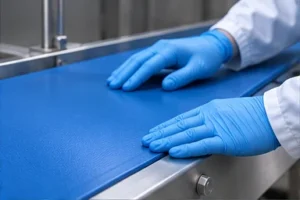
A homogeneous polyurethane belt offers a construction without a textile carcass. Consider it where cleaning access and moisture exposure influence belt selection. Confirm material compatibility with fats, temperatures and cleaning agents for the specific application.
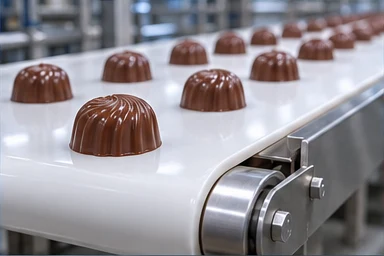
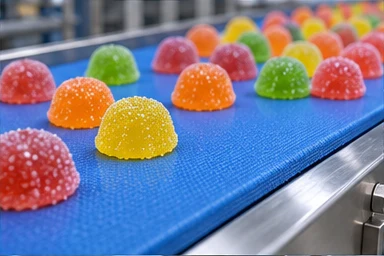
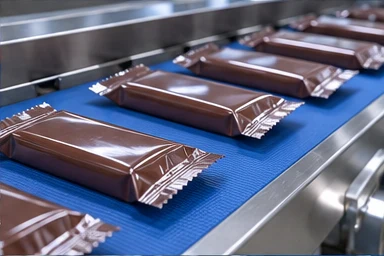
Belt-edge condition matters wherever unpackaged food is conveyed. Correct alignment, suitable guides and a belt construction matched to the equipment help manage wear. Include the edges in routine inspections and investigate rubbing or damage promptly.
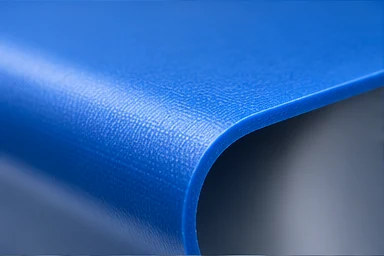
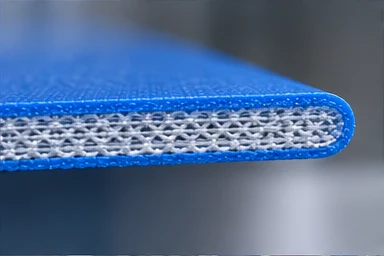
Edge sealing can help protect the exposed reinforcement of a fabric-based belt from moisture and product ingress. Its suitability depends on belt construction, operating conditions and the cleaning method. Review edge protection together with splice quality and belt tracking.
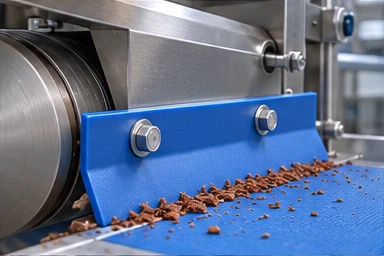
Chocolate residue and sugar deposits can build up during operation. A correctly selected and adjusted scraper can help remove carryback. Check scraper material, contact pressure and splice compatibility, and provide access for regular inspection and cleaning.
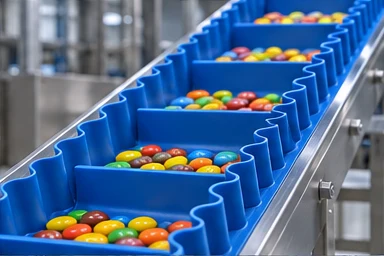
Loose sweets can shift or roll back on an incline. Sidewalls and cleats can help contain the product and support controlled elevation changes. Choose their height and spacing around product size, incline angle, capacity and cleaning access.
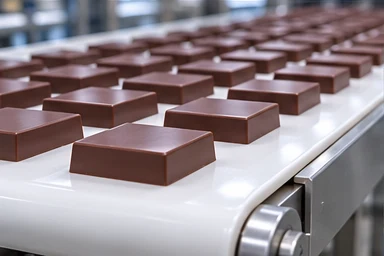
Where confectionery is cut on a belt, the surface must be selected for the cutting method and expected contact. Review blade settings, support conditions and wear limits with the equipment supplier. Routine surface checks help identify damage before it affects production.
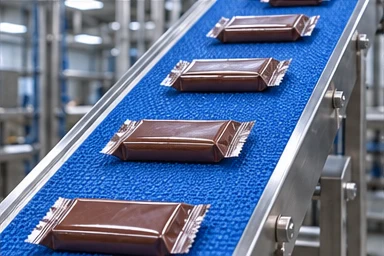
Product grip matters on inclines and during controlled positioning. A textured or higher-friction surface may help limit movement, depending on the wrapper, product weight and line conditions. Balance the required grip with cleanability and release at discharge.
Caramel, gummies and chocolate behave differently as their temperature and moisture change. Surface material, texture and transfer geometry all influence release. Evaluate a belt with representative product under realistic operating conditions before confirming the specification.
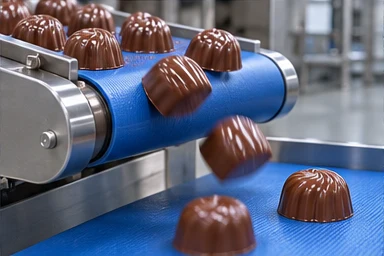
Whether you are replacing an existing belt or developing a new line, send us the application details. We can review the conveying task and identify the information needed for a suitable specification. Images on this page illustrate application concepts; final belt design depends on the selected product and equipment.