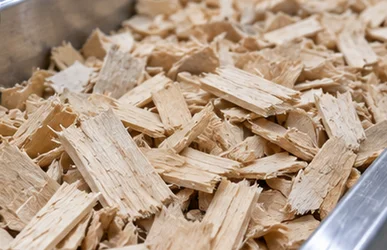
How Feltnova designs for durability and resource efficiency.
Design for the working life of the belt
At Feltnova, sustainability starts with the choices we make about materials, construction and how a belt will run. We look for ways to use resources wisely while delivering the reliability that customers need.
Work across the business
Our approach covers environmental impact, the health and safety of our people, and the standards that guide our decisions.

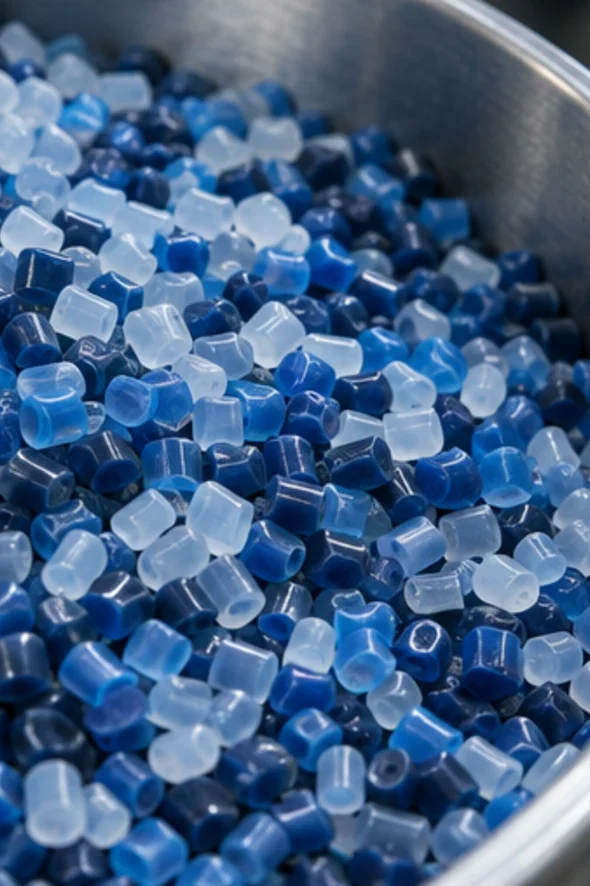
We look for opportunities to reduce waste in manufacturing and to use recycled or bio-based inputs where they suit the application. In service, we focus on belt designs that can reduce friction, conserve energy and withstand the demands of daily operation.
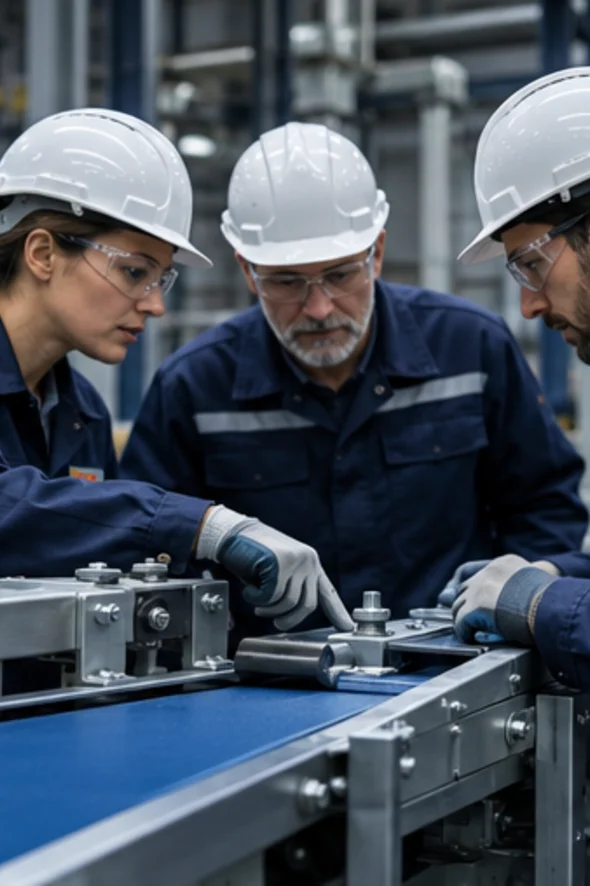
Safe working conditions are a priority across our operations. We support our teams with training and clear procedures so they can recognize hazards and work safely in production, assembly and service.
Clear responsibilities, risk management and consistent quality standards guide how we operate. We use these practices to make decisions that support customers, employees and business partners over the long term.
The Feltnova Code of Conduct sets expectations for ethical business, compliance with applicable laws and the prevention of corruption. It applies to all employees and forms part of mandatory training.
Employees can raise concerns through the Feltnova Integrity Line.
Feltnova develops belting solutions around the way customers work. Our teams bring together application knowledge, manufacturing expertise and local support to help customers select belts that fit their equipment and operating conditions.
Feltnova Movement Systems uses ISO 9001, ISO 14001 and ISO 50001 certifications to document its quality, environmental and energy management practices. Two sites achieved ISO 45001 certification for occupational health and safety management in 2024.
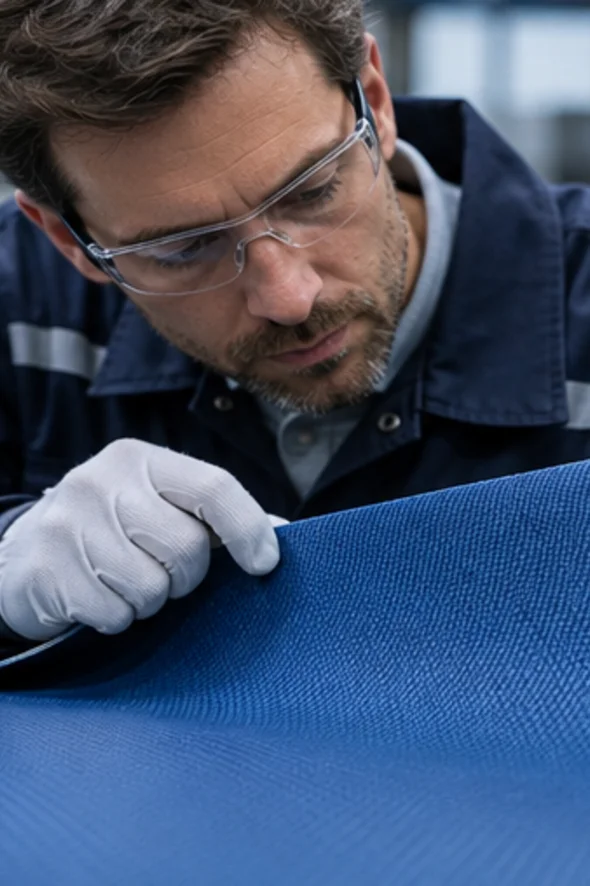
A belt that holds up in service can help customers avoid premature replacement and the waste that comes with it. We support longer service life through material selection, skilled production and manufacturing processes suited to each belt design.
Explore how recycled inputs, low-friction surfaces and efficient drive designs address different demands across the life of a belt.
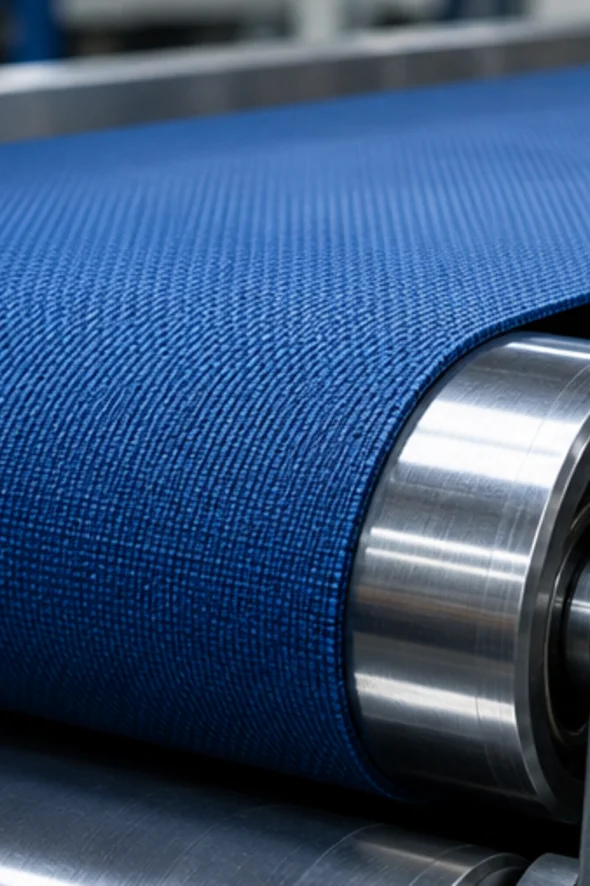
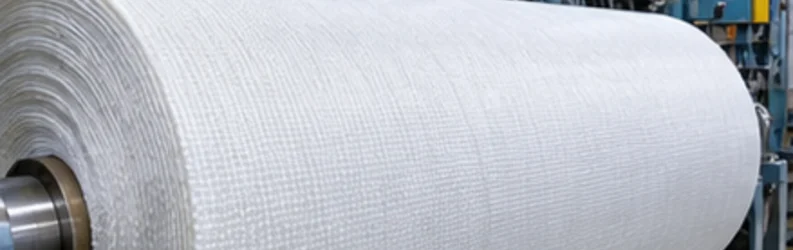
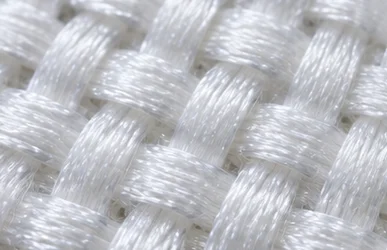
Transilon ECOFIBER uses yarn made from recycled PET bottles in its tension member fabric. This gives recovered PET a new use in a component engineered for reliable service. Selected belt types can also use a Texglide underside to reduce sliding friction.
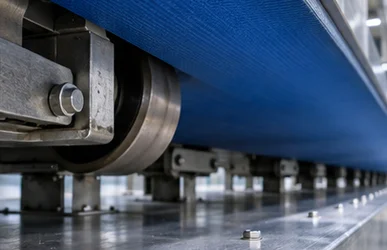
Amp Miser belts use a Texglide underside to reduce friction where the belt runs over the slider bed. Reducing friction at that interface can lower the power needed to run the conveyor.
Selected Extremultus drag belts combine application-specific mechanical and electrostatic properties with low-friction surfaces. These features support efficient accumulation and controlled handling of electronic components.
Through the biomass balance approach, bio-based feedstocks enter a shared production process. An accounting system allocates their contribution to selected products, supporting a reduction in reliance on fossil feedstocks.
Talk to our team about sustainability priorities, belt materials or the right solution for your application.
Explore our sustainability reports and documentation for more detail on environmental, social and governance performance.